Nothing in life is certain, except perhaps for death and taxes. Although any day could result in something surprising, the ordinary rituals of one’s existence continue. During the Ancient Roman period, like today, life could be simple, tedious, elegant, or brutal.
Nearly two thousand years ago, the city of Rome was loud, busy, and full of life. More than a million people lived there at the height of the Empire. Streets were narrow, markets were noisy, and the smell of bread, smoke, and animals filled the air. For Romans, daily life was a mix of work, family, religion, and public entertainment. A typical Roman day began early in the morning. Wealthy Romans often woke at dawn to greet their clients in a ritual known as the salutatio. In this daily social tradition, lower-status citizens visited their wealthy patrons to pay respect and receive small gifts or support. This system of patronage, called clientela, helped maintain social order in Roman society.
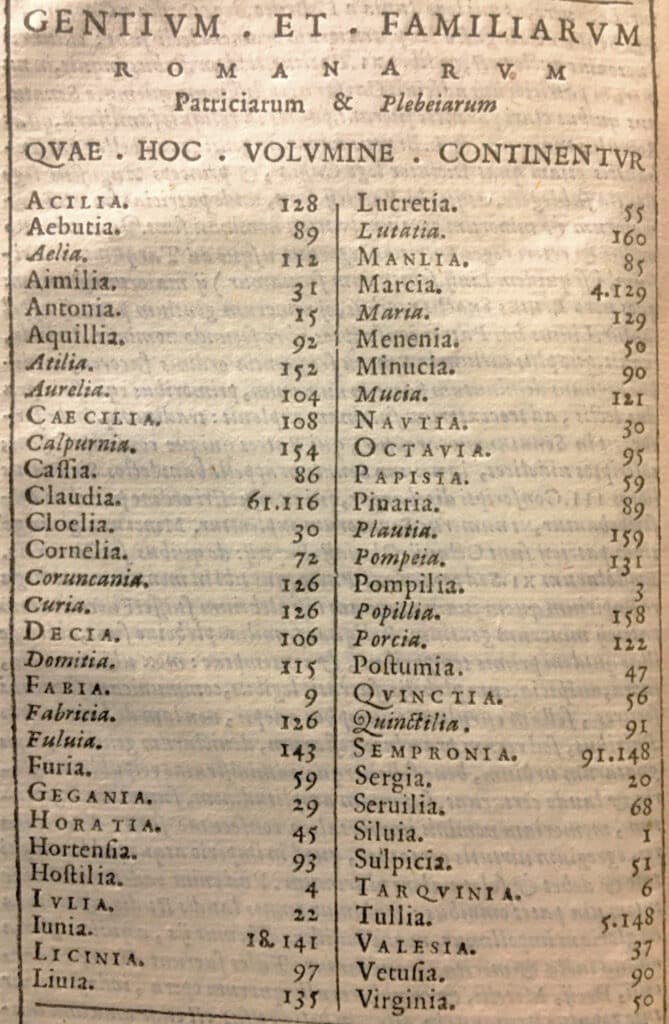
Life in ancient Rome varied according to social standing within the empire. Patricians, at the pinnacle of the social hierarchy, were wealthy landowners who often wielded political power in the empire. These wealthy families lived in homes called domus with lavish architectural features such as frescoes and mosaics, courtyards with fountains, and slaves to care for the household. Beneath the patricians, the next social class was the plebeians. Plebeians consisted of farmers, merchants, craftsmen, artisans, and laborers of various occupations. Most plebians lived in apartment-style buildings called insulae. Insulae were prone to overcrowding and were not known for their structural integrity. Beneath the plebeians were the freedmen, formerly enslaved people whom their masters had freed. The lowest class was that of a slave.
Roman citizens had legal rights and protections that slaves and other noncitizens did not, such as the right to vote, own property, and hold political office. While the elite of society spent their days overseeing political matters, estate management, attending social events, and other leisure pursuits, the slave and laboring classes worked long, difficult hours. If you were a slave in Ancient Rome, your day began before sunrise. Servus (house slaves) had to be helpful and ready for their masters, with chores ranging from cooking and cleaning to teaching children, running errands, and dressing the dominus (master) or domina (mistress). Work was often difficult and seemingly endless, but generally uneventful, aside from the whims or demands of the master.
If you were a gladiator, your day was spent training at the ludus (gladiatorial school) to hone your skills, building your endurance, strength, and technique for the glory of the sport. A gladiator’s body was not their own and could be used and abused in any way that their masters saw fit, including being prostituted out to the wealthy classes. Despite the position, a slave or gladiator could acquire influence and earn the possibility of becoming a freedman, although it was an arduous and often unachievable dream.
Most people in the Roman Empire lived in the countryside, in rented homes on farms and homesteads along the rural landscape. Many were poor farmers, shepherds, or ranchers, tilling the land and caring for the animals with their families. Some were part of a larger operation, such as wineries or tanneries, and paid to live on a wealthy man’s land in exchange for taking care of it. The poor who lived in urban areas worked in all areas of business, such as laborers, sailors, fishermen, shopkeepers, and tradesmen, with work beginning at sunrise and ending at noon, but the requirements of the day could change depending on the needs of the job.
Women of poorer status had to work as well, often as dressmakers, midwives, or cooks, while the most unfortunate worked as prostitutes. Unless you had slaves, women's primary jobs were taking care of the home, making food, and caring for the children. Wealthy women also looked after the house themselves, but could also enjoy a bit more luxury than the lower classes, delegating household tasks to slaves.
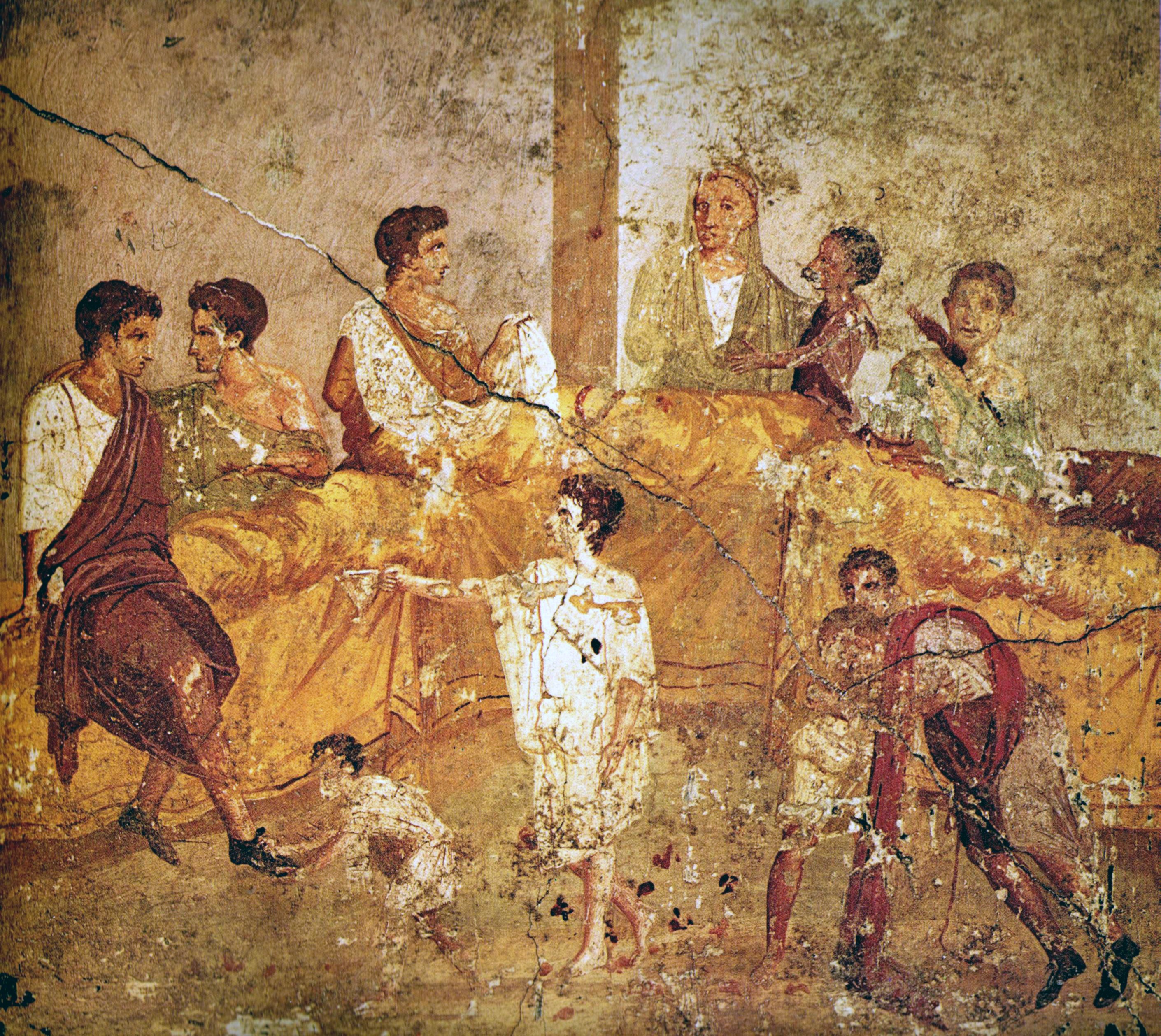
Romans who were free and moderately well-off could hold positions such as those of merchants, lawyers, surgeons, landlords, and businessmen. The wealthiest of Romans owned both land and slaves, and often held political office, such as senatorial positions. Many spent their days delegating to their workers or slaves, while frequently indulging in the pleasures of life, including hunting and attending banquets. One major perk of wealth was the ability to bribe officials to avoid conscription into the military or to use exemptions to evade service.
However, everyone, regardless of class or station, could participate in the joys and entertainment of the day, such as theater, gladiatorial games, wrestling matches, the baths, or chariot races, which were open to the public or relatively cheap to attend. The wealthy were given greater privacy and luxury in these places, but anyone could enjoy the arts and kick their heels up after a day's work.
Religion was another important aspect of Roman life. Household rituals were performed regularly to appease the gods. Sacrifices and petitions were made at temples and other holy sites across the empire. Religious festivals were held throughout the year to honor various deities. These festivals were important social events for the communities in which they were held, binding lives together in shared belief and tradition regardless of class.
Despite the grandeur of Roman monuments and Imperial power, life in Ancient Rome was never easy. The city was crowded, sanitation was poor, and social inequality was strong. Slavery was common, and many people lived in poverty. Yet Rome was also vibrant, innovative, and culturally rich. In many ways, Rome feels surprisingly modern. People rushed through busy streets, worried about politics, shared meals with friends, and searched for entertainment after a long day of work. While money made life more comfortable for a Roman, a typical day in Ancient Rome revealed a mix of privilege and mundanity that feels familiar today, where the wealthy enjoy far more pleasure than pain, while the poor work for little to nothing to show for it.
But as the Romans themselves might say, Roma aeterna, or Rome is eternal.
Bibliography:
Aldrete, Gregory S. “Daily Life in the Roman City: Rome, Pompeii, and Ostia.” Connecticut: Greenwood Press, 2004.
Angela, Alberto. “A Day in the Life of Ancient Rome.” New York: Europa Editions, 2009.
Wasson, Donald L. “Roman Daily Life.” World History Encyclopedia. April 23rd, 2018.