Imagine being a Roman teenager around 100 BCE. Your father wakes you before sunrise, lectures you about your ancestors, and reminds you that the family name is more important than your personal happiness. Then, instead of scrolling through TikTok or playing video games, you spend the day studying speeches, military history, and law. Fun? Perhaps not. Very Roman? Absolutely.
From the battlefields of Gaul to the marble halls of the Roman Senate, the Romans believed that a man’s reputation mattered almost as much as his life itself. To be Roman was not simply to live in Rome or serve in the army. It was to embody a strict code of values built around honor, duty, courage, discipline, and glory. In many ways, the Roman world ran not on money alone, but on reputation. A Roman noble would rather lose his fortune than lose his dignity.
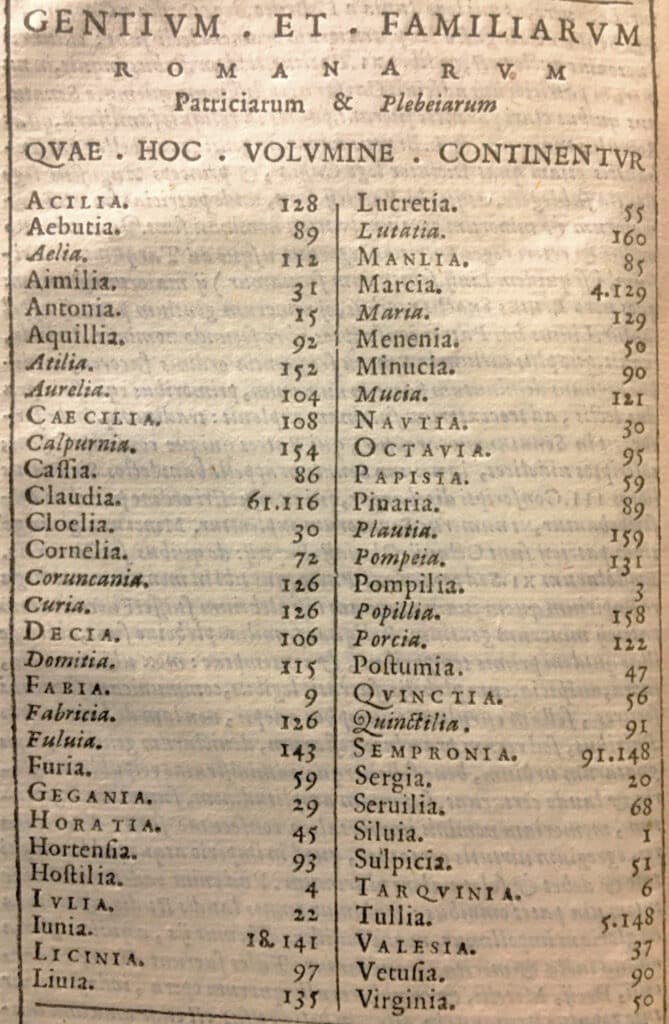
Ancient Rome placed strong emphasis on a strict code of principles where customs and traditions were to be faithfully and honorably practiced as they had been for centuries. For the Roman, it was vital and expected to preserve the traditions of the past. The unwritten doctrine, or jus non scriptum, derived from the mos maiorum, or the ‘ancestral way’, was passed down from generation to generation as a guide to the Roman way of life. It was supposedly introduced by the gods and reinforced by a mutual unspoken social agreement that guaranteed Rome’s success, longevity, and wealth. The concept of mos maiorum was not grounded in written laws, but rather in the customs and traditions that constituted Roman identity.
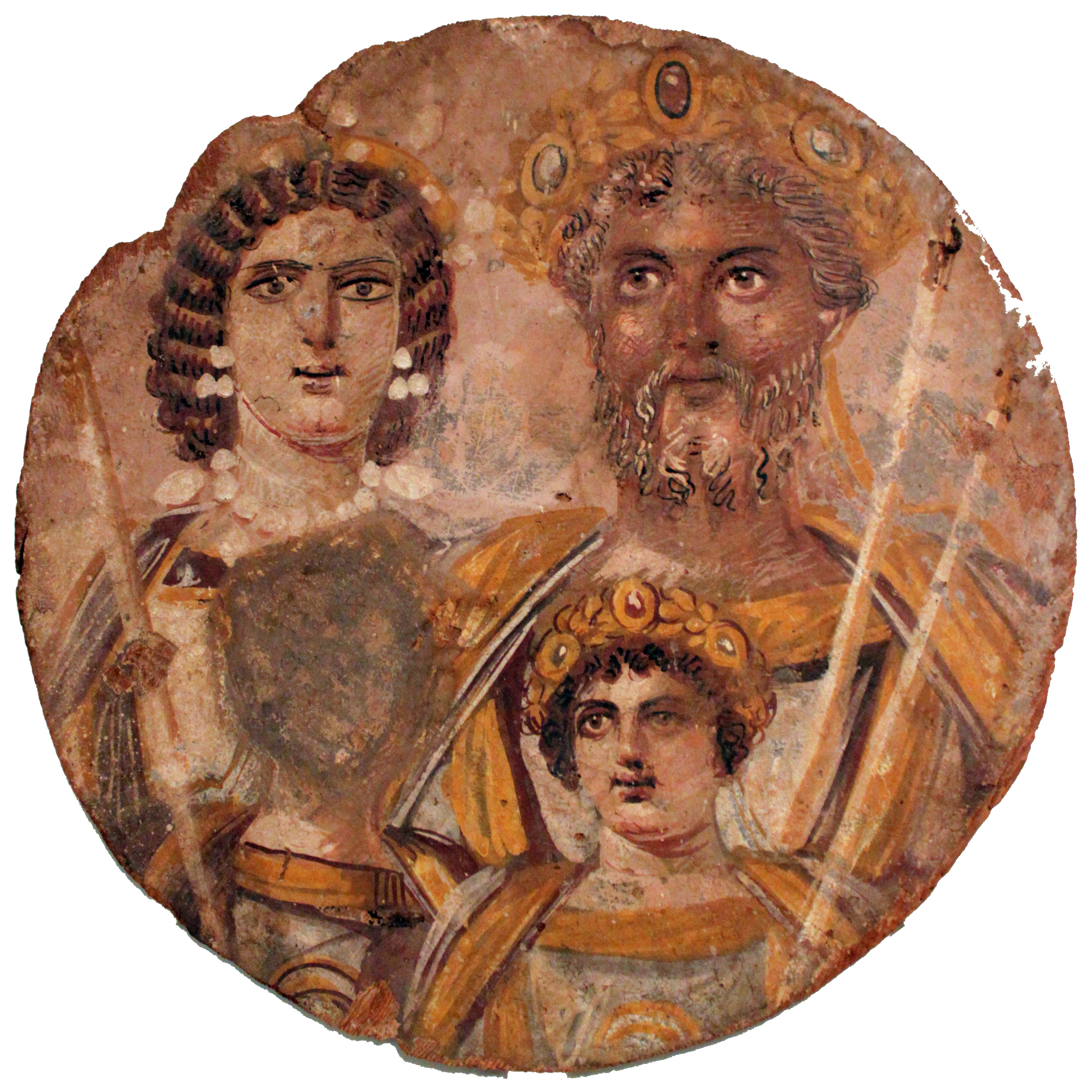
Every man in the Roman world was supposed to defend and support his family, his community, and Rome equally. The head of the household, or pater familias, was usually the father or husband of the family, but could also be an uncle, brother, or other male relative. He was the family’s protector and provider of the household. Honorable men stood by their families and built lives of note, whether it was the humble labors of a farmer, an elite senator, or a military commander. Having a wife and children and a legacy of descendants was an honorable accomplishment in itself, even if one was merely adding to the population to work the fields, mine ore, or serve in sundry positions. Civic duties were considered major duties, like voting as a Roman citizen, and citizens were expected to respond to the call to action when the time came. These ideologies were the basis of a Roman man’s character and were essential to the making of a great and accomplished individual.
Virtus, or virtue, was the core of the Roman character, but it meant much more than just moral goodness. From vir(“man”) comes virtus, which means bravery, courage, and character. Rome liked men of deeds, not words. A general of the Republic who won victories showed virtus; a senator defending the state in crisis exhibited virtus; suffering hardship in silence was also considered virtus. In Roman society, excessive complaining was not exactly in style.
Other virtues or virtus expected of a Roman included paideia, the pursuit of knowledge and formal education; sophia, the pursuit of wisdom; hospitium, hospitality; and religio, the proper observance of rituals and traditions of faith. It was also important to have disciplina, discipline; frugalitas, frugality; and humanitas, the quality of showing respect, empathy, and love for all humans (although this usually did not extend to slaves or non-Romans and was subjective to the individual). Men also had to be strong and represent gravitas, self-control; fides, fidelity; constantia, constancy; and pietas, dutifulness.
Gravitas, or seriousness and self-control, was highly prized. Romans admired those who kept their heads in crisis and behaved with dignity. Not modern-day public meltdowns. Crossing the Rubicon, Julius Caesar? Solemn. Cato the Younger passionately arguing his case in the Senate? Calm. Romans distrusted the weak, the emotional, the over-indulgent. Discipline was strength for them.
To a Roman, pietas carried a broader meaning: duty toward the gods, family, and state. A good Roman honored his parents, had a duty to his family, respected the gods, and served Rome faithfully. No figure better embodied this ideal than Aeneas, the legendary Trojan hero of Virgil’s Aeneid. When Troy went up in flames, Aeneas did not flee alone for his life. He took his aged father, Anchises, on his shoulders and led his son, Ascanius, by the hand. This was the ideal image of pietas for Roman readers: loyalty to family and duty even in the face of danger.
A man who displayed all these virtues was said to be honorable, or possess dignitas, respectable or auctoritatis, and in pursuit of gloria or glory. You could be winning a battle, or standing by your brothers in arms; gloria was the desired virtue. These concepts were especially favored by the wealthiest in Rome, and they could be applied to action in combat or to the obligation to serve the community at large. It was a competitive playing field for the wealthy, whether one was a patron of the arts or a builder of construction projects. Men of note were expected to serve the public as senators, priests, and local or community officials. In doing so, they showed they held themselves in high regard and wanted what was best for their fellows while also putting them in a higher position than their contemporaries.
Thus, if a man failed to be an honorable man, for example, by showing fear in battle or by failing to step up as a father, he would bring disgrace or infamia, and shame, or pudor upon his name, station, and character. Women could also bring pudor to their families, such as getting pregnant out of wedlock or cheating on her husband.
The Mos Maiorum, or “way of the ancestors,” served as Rome’s unwritten guide to a virtuous life, shaping the actions of soldiers, senators, and citizens. Rome was built on loyalty, courage, and duty that placed public good above private desire. These values were passed down from father to son and citizen to state as a quiet expectation, a vow embedded in their daily lives. Whether on the battlefield, in politics, or within the family, a Roman sought to live with virtus, gravitas, and pietas
Bibliography:
Kenty, Joanna. “Congenital Virtue: Mos Maiorum in Cicero’s Orations.” The Classical Journal vol. 111, no. 4 (2016): pgs. 429–462.
Morton, Alison. “Mos Maiorum- ‘Doing the Right Thing’ in Ancient Rome.” Alison Morton: Intelligent Thrillers with Heart. August 21st, 2017.
Pagan, William. “Mos Maiorum: The Filibuster, Political Question Doctrine, and Judicial Enforcement of Norms.” Kentucky Law Journal. January 17th, 2022.