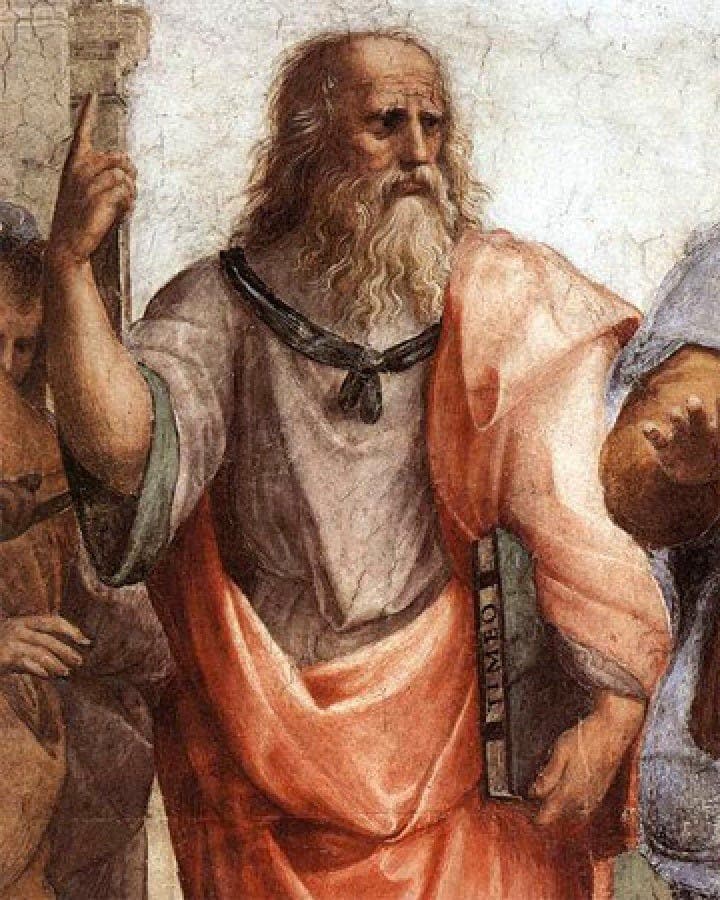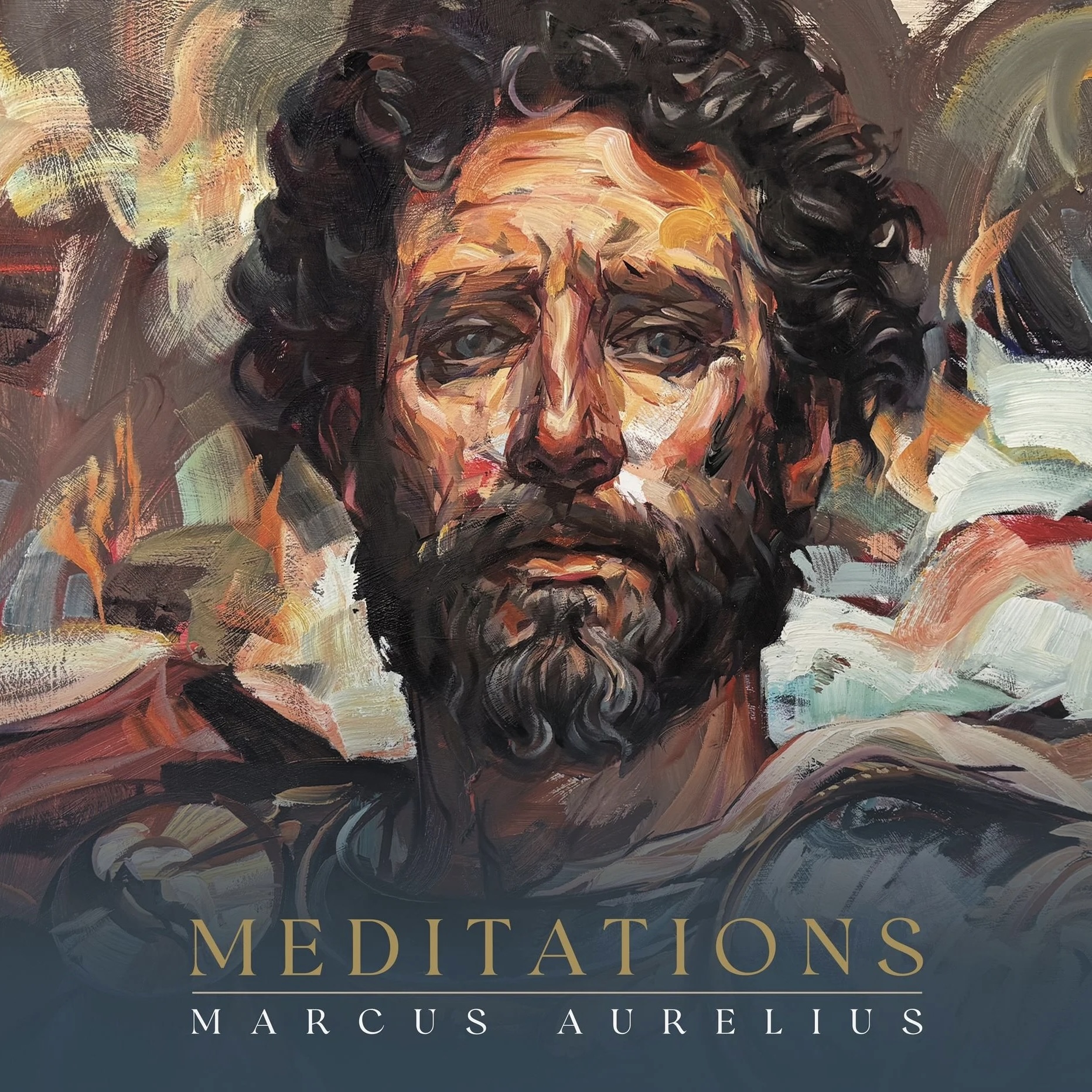
If you walk into any good bookstore, chances are you’ll stumble upon a copy of Meditations located somewhere between books promising inner peace, better daily habits, and financial success. Today it remains one of the greatest philosophical works ever published, praised by individuals from all walks of life, including military leaders, CEOs, athletes, and students alike. Yet its overwhelming popularity is somewhat ironic, as its author, Marcus Aurelius, never intended for anyone else to read it. Unlike earlier works such as the famous treatises of Aristotle, or even the engaging dialogues produced by Plato, Meditations wasn’t written to be viewed by the general public. Because of this, it doesn't have the polished characteristics of a philosophical masterpiece intended to help others on their journey through life. Rather, it was a private journal that contained countless reminders Marcus personally wrote to himself aimed at helping him live in accordance with Stoic principles.
What makes his work so remarkable is that he wasn’t just another philosopher writing from a dimly lit chamber; he was the ruler of the largest Empire the world had ever seen. At the height of his rule, Marcus’ roles included those expected of a Roman Emperor. He was in charge of ensuring the people remained content, the borders were secure, and the army was ready to push back any invasions, all while dealing with the administration of a bustling empire. Yet he still found time to sit alone with his thoughts and reflect on the many problems life had to offer. In writing about these internal conversations, he spoke about what he had learned from trying to control his anger, and how he felt about death. He also mentioned how important it was to stop the ego from taking over, and how to be a good person. The entirety of Meditations is surprisingly humble considering its author was widely considered a powerful person in Europe.
The present title of the book often leads many to assume it was wisdom attained in a meditative state aimed at helping those overcome life's many worries. Yet Marcus never called his writings Meditations. The original Greek title assigned to the work, Ta eis heauton, actually translates as “To Himself”, and this serves as a better description of the original nature of the work. They were not lessons to help guide the general public. Instead, they were simply the conversations an ancient ruler had with his own conscience. Perhaps this is why almost two thousand years later, Marcus’ writings continue to resonate with people even today as many of us continue to wrestle with the same problems he did in ancient times.
This is not to imply things haven't changed. Certainly our technology has advanced to a degree that is unimaginable to someone of the Roman period, and likewise our clothing is very different. Nor do we have to worry about Germanic tribes crossing the Danube every Tuesday (unlike our grandfathers). But anxiety, disappointment, grief, frustration, and the fear of death remain universal parts of human existence, and Marcus understood this better than most. Time and time again in Meditations, he reminds himself that much of life remains far beyond our control. What opinion another holds of us, the unexpected setbacks, unpredictable illness, economic hardship, and even death itself, all belong to the outside world. He firmly believed that what truly belonged to us was how we responded to these things, an idea frequently mentioned by other Stoics. While spending a great deal of time focusing on what we can control, they argue it relieves us of the burdens of what we can't.
Alongside this, Marcus also tried to avoid being consumed by the quest for fame and reputation. He knew that despite the temporary power he had as emperor, this wouldn't last forever. Future generations would forget his name, just as previous generations had forgotten countless kings and consuls of Rome's ancient past. One particular concept he visited often was summed up in the famous phrase, memento mori, or, “remember that you must die.” At face value, it could be mistaken as a pessimistic view of existence, but the Stoics looked at it from an entirely different angle. To them, understanding and even accepting morality wasn't a means to induce depression. Rather, it was a way to make life meaningful: if time is limited, then every brief moment becomes increasingly more valuable.
Marcus even offers advice to himself aimed at dealing with difficult people, a problem many of us encounter in our modern society. In one section of his work, he starts by reminding himself that there will be scenarios where he is forced to stand face-to-face with people who are selfish, dishonest, and arrogant. The solution, he adds, is not to shy away from such individuals, but to remember that their actions are often rooted in ignorance rather than malice. Those of us who have survived a family holiday can surely find some sentiment here!
Throughout the entirety of the work, Marcus makes multiple references to his desire to cultivate virtus (virtue). This, however, is not done to earn praise from his contemporaries, but because living in such a way is one of life's greatest rewards. The truly good person acts justly regardless of whether or not they are surrounded by an audience. In our modern era, where many people are driven by public approval and social validation, many of us can relate to the lesson offered here.
Ultimately, the enduring nature of Marcus’ writings lies not in its promise of success, but in its honesty. Nowhere does he claim to have mastered the concepts he spoke of. Nor did he offer shortcuts to happiness or wealth. Rather than chasing status or external success, Marcus tried living in accordance with the Stoic ideals of nature and reason. What makes Meditations so compelling is its honesty. The raw emotion in Marcus’ reflections is deeply personal, and this is why they continue to resonate with readers even today despite the immense amount of time that has elapsed since it was first written.
Behind the prestigious title of emperor, we find a man who struggled like everyone else. He had the same fears, frustrations, and many doubts that many of us suffer from today. By attempting to explore these problems, Marcus unknowingly produced what has since become one of history's greatest guides to living well, and at the heart of it we find a simple reminder that lasting change begins from within.
Bibliography
Aurelius, Marcus. Meditations. Translated by Robin Hard. Oxford: Oxford University Press, 2011.
Hadot, Pierre. The Inner Citadel: The Meditations of Marcus Aurelius. Translated by Michael Chase. Cambridge, MA: Harvard University Press, 1998.
Long, A. A. Epictetus: A Stoic and Socratic Guide to Life. Oxford: Oxford University Press, 2002.